

Why Arizona’s Monsoon Season Affects Construction Timelines in Mesa, AZ
Monsoon storms stop outdoor work, and that is the whole reason summer timelines slip in the East Valley. Paint, stucco and fresh concrete all need a dry surface to go on and dry conditions to cure, so one afternoon storm can take a job site out of action until the next morning, and a wet week can cost more than the rain itself suggests. We have scheduled work around these storms since 1978 as a family run house painting company and general contractor based at 711 S Drew St in Mesa, AZ, and the weather is entirely manageable, but only when the timeline is built with it in mind rather than against it. Monsoon season runs roughly July through September.
Monsoon season does not mean weeks of steady rain. It means short, violent storms that build through the afternoon and hit with wind, dust and heavy rain. The National Weather Service marks the season from June 15 through September 30, though the storms usually pick up in early July. For crews working outdoors, that pattern decides how jobs get scheduled and what a realistic finish date looks like.
What Monsoon Season Actually Looks Like in Mesa
The storms that cross the East Valley are short but serious. High winds, dust walls and heavy rain can arrive within an hour of a clear sky. A storm that passes in forty minutes can still leave stucco damp for the rest of the day. If the ground soaked up enough water, it stays damp into the next morning.
The hard part is that nobody can call it two weeks out. Forecasts give a fair read on the next few days, and experienced crews learn to watch the early-week pattern. Nobody can look at a calendar in early July and promise that a specific Thursday will be dry. A contractor who hands you a firm summer completion date with no mention of weather is leaving something out of the conversation.
How Rain and Humidity Stop Outdoor Work
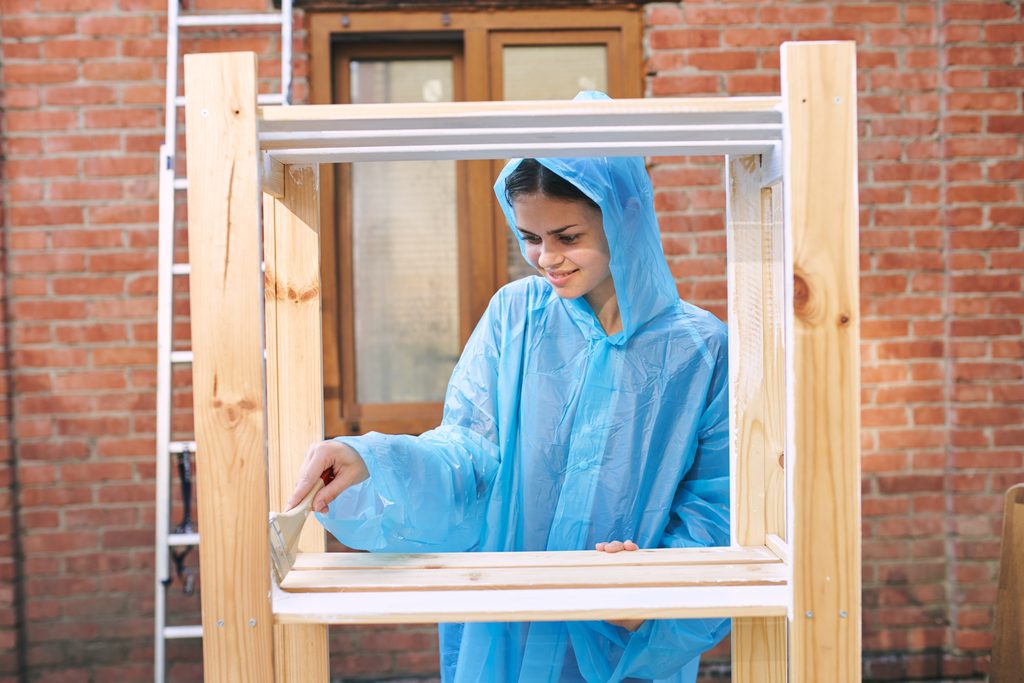
The direct effect is simple. Wet surfaces cannot be painted, and rain on uncured concrete weakens the slab. Framing or exposed structure that takes a sudden soaking has to be checked before the next phase starts. Every one of those is a lost half day at minimum.
The humidity that follows a storm is the effect people miss. Paint applied while the air is still heavy may not cure the way the manufacturer intended. A wall that looks dry an hour after the rain can still hold moisture just under the surface. Knowing when to wait, even after the sun is back out, is a big part of working through the monsoon window. Pushing ahead too soon is one of the shortcuts that shows up as peeling a year later.
| Work type | What a storm does to it | How the crew handles it |
| Exterior paint | Will not bond to a wet wall, and humidity slows the cure | Surfaces re-checked the next morning before any coating goes on |
| Stucco | Moisture during the cure can cause cracking or weak adhesion | Sequenced around the forecast and protected while curing |
| Concrete | Rain on a fresh pour weakens and pits the surface | Pours timed for early morning and covered if a storm builds |
| Framing and exposed structure | A sudden soaking can leave hidden moisture in lumber | Inspected before the next phase is released |
Paint, Stucco and Surface Prep After a Storm
Exterior painting and stucco are the two services monsoon season hits hardest. Both depend on a surface that is clean, dry and properly prepped before anything goes on. Our exterior work starts with power washing, scraping, caulking and a bonding primer matched to the surface. A wall that passed that check yesterday afternoon can fail it after an overnight storm. The right move is to look again rather than assume.
Stucco is the most sensitive of all during its cure. It needs a stable window of temperature and humidity to set correctly. A storm inside that window can cause cracks or adhesion failure that only show up months later. If past storms have already opened cracks or softened sections near window returns and parapets, our stucco repair services in Mesa rebuild those areas before any new coating goes on. On stucco homes we use elastomeric coatings, which flex enough to bridge hairline cracks once cured. They still need dry conditions to go on. That is why stucco and prep get sequenced ahead of everything else in a summer schedule. They do not get squeezed in wherever there is a gap.
Planning exterior work this summer? Call (480) 827-2151 for a free written estimate. Most quotes come back within one business day, and every one includes a realistic timeline for the season.
Why Your Start Date Matters More in Summer
For homeowners in Mesa, the start date is not a minor detail. A remodel with exterior phases that begins in late May has a good chance of clearing that work before the storms arrive. The same project kicked off in early July goes straight into the most weather-sensitive stretch of the year.
That does not mean exterior work stops in July and August. Our crews work all summer. Most of our residential exterior paint jobs wrap in one to three days. That makes them far easier to slot between storms than a six-week remodel. A longer home renovation timeline needs the weather conversation before work begins, not as an explanation after the schedule has slipped. A homeowner told upfront that a summer project carries a two-week weather range is in a good position. One handed a firm date that quietly moves is not.
Nobody can make the weather predictable. A good contractor can make it a line item in the plan instead of a surprise.
How West Coast Painting and Construction Builds Weather Into the Plan
A contractor who has worked in the East Valley for any real stretch of time has habits around monsoon season. Ask about them directly before you sign. The answers tell you more about how the summer will go than any brochure.
• Do you build buffer days into summer timelines? A written estimate should show a range, not a single date.
• How do you protect work that is mid-process? Uncured stucco and fresh concrete need covering when a storm builds.
• How will you tell me a day has moved? A call the evening before beats a crew that does not show.
• What time does the crew start? Morning starts beat both the afternoon storms and wall temperatures that pass 150 degrees.
• Who checks the surfaces after a storm? Someone should walk the site before work resumes, not just glance at the wall from the truck.
At West Coast Painting and Construction, we have worked through Arizona monsoon seasons since 1978, across more than 10,000 completed projects. Jose Figueroa still sets the schedule and walks properties himself, so a rescheduled day comes from the person who has seen your walls. Our crews start early to get ahead of both the extreme Arizona heat and the afternoon storms. Every job carries our workmanship warranty, which is only worth offering because we do not paint over damp stucco to hit a date.
Frequently Asked Questions About Monsoon Season and Construction in Mesa
Can exterior painting be done during monsoon season in Mesa?
Yes, with the right timing. Most residential exterior paint jobs take one to three days. They fit between storms when the crew starts early and checks surfaces each morning. The risk is not the season itself but painting a wall that has not fully dried. A written timeline with a weather range is the sign of a contractor who plans for it.
How long after a storm can painting or stucco work resume?
It depends on how much rain fell and which way the wall faces. A light shower on a sun-facing wall may be dry by the next morning. A heavy soaking on a shaded north wall can hold moisture longer. The honest answer is that someone has to walk the site each morning and check the surface, not the calendar, before work restarts.
Does monsoon season delay interior work too?
Rarely. Interior painting, drywall and remodeling continue through summer storms unless the project has an open exterior wall or roof. On a full remodel, we often move interior phases forward during monsoon weeks and hold exterior phases for dry windows. That keeps the whole project on track. That is why summer is often a good window to schedule interior painting in Mesa, AZ while exterior work waits for drier weather.
What is the best time of year to paint a house exterior in Mesa?
October through May offers the most dry, mild days. Spring and fall are ideal because surfaces are not baking at midday and storms are rare. Summer work still gets done every year. Timing an exterior paint project around morning starts and a built-in buffer is what keeps it on schedule.
Related Topics: